


 The Industry
 Balancing the needs of users and advertisers
Unidad Editorial is the leading multimedia communication group in Spain, reaching over 25 million users daily and 84% of Spanish Internet users. Owned by Italian publishing group, RCS MediaGroup, it publishes newspapers El Mundo (news and politics), Expansión (business and finance), MARCA (sport) and Telva (fashion and lifestyle), which are leaders in their respective markets.
Unidad Editorial must meet the needs of its two customer profiles: advertisers (paying customers) who demand more return on ad spend in a world of data deprecation, and users (non-paying customers) who demand relevant free content in exchange for receiving ads.
 The Challenge
 Finding a strategic partner to deliver greater ad revenue opportunities and improve website personalisation
Solving the needs and problems of its customers is always the top priority for Unidad Editorial. Felipe Moreno Padilla, Head of Data Advertising Strategy, explains, “Our initial problem was with identification – we did not have enough data to identify the demographics and behaviours of users. This is necessary to improve onsite personalisation and experience for users, as well as deliver insights to advertisers to optimise their campaign goals.”
Unidad Editorial also identified the need for a scalable solution to allow for user segment creation and easy activation in its ad platforms of choice. In addition, the company needed a built-in universal identifier that assigns each user with a universal ID to allow for continued activation in a future cookieless world.
 The Solution
 A scalable strategy
To help reach their marketing goals, the Unidad Editorial team chose to work with Zeotap based on its reputation in the market and ability to offer a scalable and sustainable long-term solution.
A CDP solution was implemented to support the below use cases:
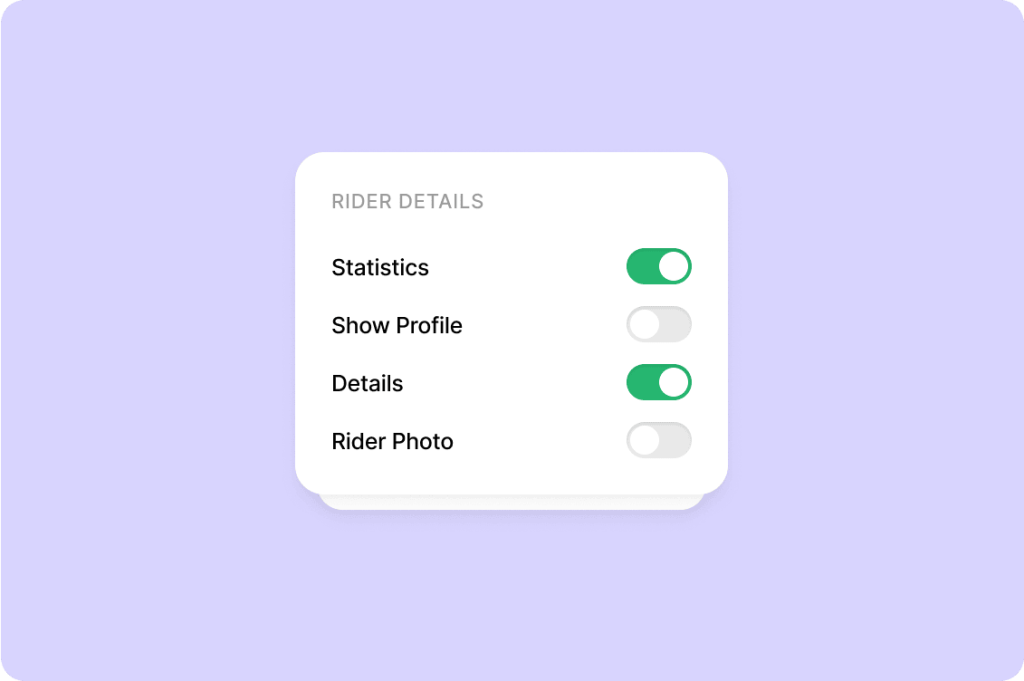
- Use case #1: enrich first-party user data with third-party demographic and interest data (native to Zeotap’s CDP).
- Use case #2: connect users across the digital marketing ecosystem with Zeotap’s Universal ID, ID+, to safeguard the future of identity and addressability when third-party cookies are deprecated in 2023.
- Use case #3: automated user segmentation and simple activation within Unidad Editorial’s Data Management Platform (DMP) and Google Ads Manager
Unidad editorial’s use cases within Zeotap CDP
More powerful, more flexible, more creative.
Moving forward, Zeotap will integrate with all Unidad Editorial’s Demand-Side Platforms (DSPs) giving the team the flexibility to adjust their marketing strategy as required.
Felipe explains,
“creating sustainable solutions for our advertisers drives our strategic direction. We needed a partner that could meet our short-term goals around data quality, our mid-term goals to deliver automated segment creation and activation across multiple platforms, and long-term goals to allow for continued addressability when third-party cookies are deprecated in 2023.”
Building trust, KPI impact and new data strategies
Zeotap’s data quality enabled Unidad Editorial to build trust with its advertisers.
“Many advertisers use software to measure data quality. Advertisers trust Unidad Editorial because our data quality continually meets the required standards, thanks to Zeotap,”
said Felipe.
Zeotap has been able to make a positive impact on KPIs. Unidad Editorial uses CTR as a measure of campaign success.
“Every time we use Zeotap data it increases the CTR in every single campaign. On average, we see a 33.95% increase in CTR. This has positively impacted our customer growth and retention rate because clients are happy. As campaigns end, advertisers are buying new campaigns with us,”
said Felipe.
In the future, Felipe believes there will be new data strategy possibilities.
“We can build a CRM strategy with brands using Zeotap’s CDP and universal identifier, ID+. We can combine email address or telephone number identifiers from advertisers with our video, display and audio channels. This CDP is going to open up a new strategy”.
 The results
 Speedy integration, greater efficiency and 33.95% increase in ctr on customer growth campaigns
Zeotap was able to integrate with Unidad Editorial’s DMP in just 4 weeks and also move data to Google Ad Manager for segment activation in the first two weeks of the partnership. Through Zeotap CDP, Unidad Editorial was able to replace a manual process with the automatic segmentation of customer attributes and activation of those segments.
What I love about Zeotap is the people – they solve our problems – and their CDP with ID+ is going to give us new opportunities in the market. There is a feeling that Zeotap wants to develop solutions together with us. Zeotap has been a key partner of ours. After only 9 months of working together we’re already seeing outstanding efficiency and customer growth benefits. We are excited to utilise Zeotap CDP’s full capabilities moving forward to realise even more value for our business.

Delivering personalised experiences is essential for building customer loyalty and driving meaningful engagement. At Zeotap, we understand the challenges many businesses face with traditional server-side personalisation tools, including latency issues and limited adaptability.
To set up this use case with Interact SDK:
- In the Zeotap CDP user interface, configure an interaction to send specific data points that will trigger the campaign on the personalisation tool.
- Set the qualification criteria, such as targeting all users or specific user behaviours.
- Define the data to send, which could be a dynamic list of recommended product IDs based on real-time browsing actions.
Interact SDK processes data within milliseconds, enabling instant and relevant customer interactions that traditional methods can’t achieve. In this blog, we’ll explore how Interact SDK overcomes server-side limitations, enhances the performance of personalisation tools, and helps businesses deliver faster, smarter, and more engaging customer experiences.
Why Interact SDK?
Traditional server-side personalisation methods, while effective, have inherent limitations. Often, personalisation is achieved through server-to-server data exchanges, where data is first processed and then activated by a personalisation platform before reaching the end user. This process can lead to delays due to SLAs (Service Level Agreements) on the platform’s end, resulting in a lag before users see relevant content. These delays mean that by the time content is displayed, it may no longer reflect the user’s most current behaviour, thus missing out on optimal engagement opportunities.
Interact SDK addresses this by bringing personalisation to the client side. This means that personalisation data is delivered directly to the user’s device in real-time, bypassing the need for server-side processing and the associated risks of stale data. This client-side approach not only ensures that users experience up-to-date content but also allows businesses to adapt more quickly to their customers’ needs, enhancing engagement and conversion potential.
Key Use Cases: How Interact SDK Unlocks Real-Time Personalisation
One of Interact SDK’s most compelling features is its ability to deliver on-the-spot personalisation, especially in cases where real-time data can significantly impact user experience. Here are two use cases illustrating how Interact SDK can transform personalisation across various customer interactions.
1. Personalised Product Recommendations
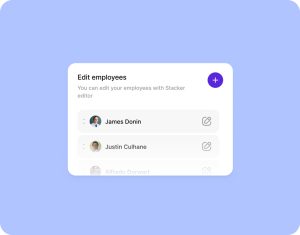
Imagine a customer browsing your website for skincare products. In the past, using server-side methods, product recommendations would depend on the data that the personalisation platform has received and processed—often leading to a slight delay before the recommendations reach the customer. With server-to-server setups, personalisation platforms process this information as they receive it, but it may result in recommendations that are a step behind the user’s current browsing behaviour. This delay could hinder engagement, as customers are more likely to act on instantly relevant suggestions.
More powerful, more flexible, more creative.
2. Dynamic Offer Personalisation
Another powerful use case for Interact SDK is dynamic offer personalisation. Traditionally, offers are displayed based on user segments, which are derived from backend data processing and depend on server-based communication between the brand and personalisation platform. While effective, this method may result in stale offers that fail to capture the immediate intent of the customer. For example, a returning customer may see offers based on outdated segment data or irrelevant promotions due to lag in processing.
Interact SDK enables dynamic offer personalisation by delivering segment-based content instantly as users engage with the site. Imagine a customer visiting the homepage; using Interact SDK, they could immediately be presented with offers suited to their profile. First-time visitors, for example, could see introductory offers, while returning customers might be reminded of items left in their cart or see personalised promotions based on their previous purchases. Seasonal content can also be dynamically adjusted to target users in specific regions, ensuring that every interaction is relevant to the current context.
"Zeotap has always set the bar when it comes to quality and security. It is part of their DNA."

How Interact SDK Bridges the Gap Between Personalisation and Security
When it comes to personalisation, API-based approaches for client-side implementation often pose challenges, particularly around security vulnerabilities. Interact SDK is designed to address these concerns while delivering seamless, tailored user experiences. By offloading the heavy lifting to the backend, it securely sends only the necessary data to the client side, ensuring the desired results without exposing sensitive information.
A standout feature of Interact SDK is its flexibility. You can configure data requirements directly on the server or through an intuitive UI, eliminating the need for client-side changes whenever a new data point is added. This approach not only saves development time but also keeps your implementation agile and adaptable to evolving business needs.
What’s more, Interact SDK requires no pre-integration for sending or consuming data on the client side, making it a plug-and-play solution for any tech stack. With this dual advantage of security and simplicity, Interact SDK ensures you can focus on creating meaningful, real-time interactions that resonate with your audience.
Advantages of Integrating Interact SDK with Profile API
- Instantaneous Updates: With Interact SDK, there’s no need to wait for server processing. Content updates in real-time, ensuring users are never left waiting for relevant information.
- Enhanced Flexibility and Control: Interact SDK allows you to choose where data is stored and how it’s delivered, whether in local or session storage or through callback functions. This adaptability makes it easy to integrate with your current systems.
- Customised Experiences at Scale: By combining backend segmentation from Profile API with the real-time responsiveness of Interact SDK, you can offer unique, contextually relevant experiences to thousands of users simultaneously.
With Interact SDK, customers can achieve a level of personalisation that is faster, more adaptable, and more impactful. By complementing the Profile API’s foundational data structure, Interact SDK delivers the right message at the right time, driving engagement, conversions, and loyalty.
To explore how Interact SDK can be the next step in your personalisation journey, schedule a demo with our team today and see how it can elevate your customer experience with real-time, relevant interactions.
In today’s digital landscape, artificial intelligence (AI) is reshaping performance marketing by streamlining tasks and enabling marketers to create increasingly targeted campaigns. As marketing efforts grow even more data-driven, Customer Data Platforms (CDPs) are essential for managing customer information. However, CDPs might be complicated for some users.
With this in mind, AI is playing a crucial role in elevating the capabilities of these platforms, providing marketers with deep insights and effective tools to better segment and reach audiences with precision – all while making things simpler. AI makes CDP usage easier by enabling users to build segments without coding or the technical skills previously required. Marketers are finding that AI-driven CDPs not only enhance campaign effectiveness and personalisation but also significantly boost overall marketing efficiency, allowing them to focus more on strategy and creative execution.
CDPs and AI make creating effective target audiences simple
Creating effective target audiences is critical for running successful campaigns, but it has traditionally been a complex and time-consuming task. By leveraging AI, marketers can streamline the process, making campaigns more efficient, impactful – and ultimately boost the ROI of their efforts.
It all starts with data processing at speed and scale. Today’s AI tools excel at processing vast amounts of data quickly and accurately. Traditional methods of audience segmentation involve manual analysis, which is often slow and can result in some errors. AI tools can sift through large datasets, identifying patterns and insights that humans might miss – this is critical in helping brands deliver better experiences to audiences, and uncovering new revenue opportunities.
Refining key segments with AI
Within a CDP, marketers can track and analyse customer interactions across multiple touchpoints, including website visits, email, social media, purchase history, and more. By understanding these behaviours, a CDP enables marketers to better refine key segments based on specific actions and preferences. For example, it is easy to distinguish between frequent buyers and occasional shoppers, enabling them to create more tailored marketing strategies for each group. This ensures brands and marketers can optimise messaging and creative. In this process the role of AI is to streamline the work by providing a conversational interface for audience segmentation – a major step towards making the use of a CDP more intuitive for non-technical users.
Going a step further, AI enhances demographic profiling by using machine learning algorithms to analyse and categorise customers based on demographic attributes like age, gender, income, and location. For example, AI can identify high-value customer segments in a specific geographic area or demographic group, allowing marketers to target these segments with relevant offers and messages.
In practice, AI supported CDPs enable marketers to easily ‘chat’ with the tool to find campaign optimisations – much like what people have experienced with today’s leading AI tools. In reality, marketers can simply describe the segmentation criteria they need in a conversational language, and the tool builds the conditions for the user to review, make changes or save to create an audience. From there, users can activate the audiences by adding destinations or using them in customer journeys.
For more information on how AI tools support today’s CDPs, check out our blog
Unlock independence and operational efficiencies
It’s very common for today’s businesses to have massive amounts of customer data stored across their company – fragmented by old systems, tools and procedures. Because of this data often isn’t shared across teams or departments; and if it is, it is slow.
CDPs help quickly aggregate data from all key touch points – effectively eliminating data silos. The data is then analysed to create individual-level, dynamically updated customer profiles for existing audiences and new prospects. With these profiles, marketers can bolster their unique audience segments and activate them across all marketing channels such as paid media, SMS marketing, customer service tools and more.
Additionally, marketing engagements can be created in-line with specific consumer’s expectations and behaviours. As AI is integrated into CDPs, marketers can be even more independent from resource-constrained IT teams, enabling them to access insights like purchase history, content engagement, campaign responses, social media interactions, location data, loyalty program participation and more. When used together, hyper personalised campaigns come to life.
Real-time analytics and personalisation
Another way AI supported CDPs usher in the next era of digital marketing, is in real-time analytics. This capability ensures marketing strategies remain relevant and responsive to current customer behaviours and preferences – and this is critical in today’s digital environments. Consumers are more apt to change their tastes and preferences, making it more important than ever for brands to constantly stay up-to-date.
As customers interact with a brand, their preferences may change. AI continuously updates customer segments to reflect these changes, ensuring the personalised content remains relevant. Additionally, by leveraging a CDP to analyse historical data, AI can forecast future customer behaviours and preferences, too. For instance, if a customer frequently purchases certain types of products, AI can predict their likelihood of purchasing similar items in the future. These insights allow marketers to anticipate customer needs and tailor their engagement strategies accordingly.
Additionally, AI can provide contextual personalisation capabilities, by understanding the context of customers’ ongoing interactions. This includes factors such as time of day, location, weather and the device being used. All together, these insights help brands and marketers make more informed and personalised engagement decisions.
Conclusion
AI is revolutionising digital marketing by enhancing CDPs, making them more intuitive and powerful tools. By integrating AI, CDPs can offer deeper insights, better segmentation, and more precise targeting – ultimately leading to higher conversions. AI simplifies the complexities of data processing and audience segmentation, enabling marketers to create and deliver personalised content with ease. As AI continues to advance, its role in digital marketing will only become more critical, driving greater efficiencies and more successful campaigns. Brands that embrace AI-powered CDPs now will be better positioned to stay ahead in the ever-evolving digital marketing landscape.